Wondering if your residence really needs HVAC cleaning? Many residents overlook the hidden buildup of debris in their air ducts, only to later suffer from poor indoor air quality. Professional duct cleaners can uncover what’s lurking behind the walls—and how it impacts your health.
- Furnace duct cleaning improves indoor air quality
- Pest control in ducts tackles mold at the source
- Same-day service availability fits remodeling timelines
From allergen removal to dryer vent cleaning, the right expert makes all the difference. Don’t wait for symptoms—find out what qualified care can do for your HVAC system.
Understanding Air Duct Sanitization
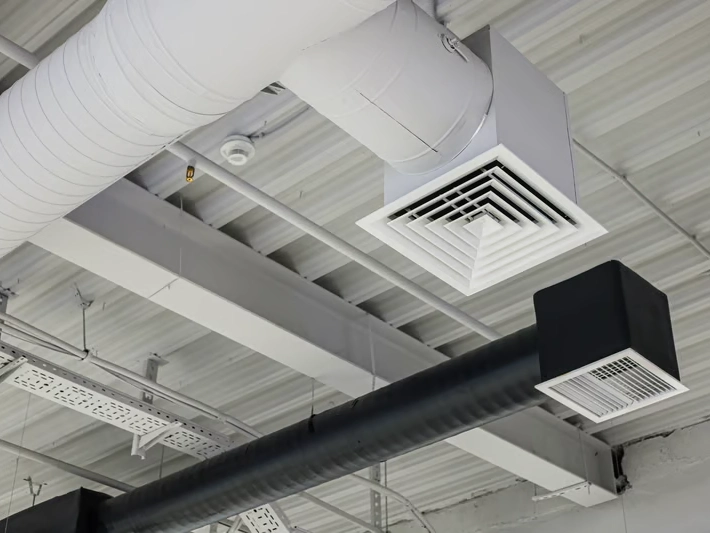
Clear Explanation of Professional Air Duct Purification
Licensed ventilation system sanitizing consists of the comprehensive elimination of dust and allergens from your home’s ventilation network. This preventative service enhances breathing safety while supporting efficient system performance. Many homeowners choose commercial duct cleaning to minimize allergen exposure.
- Destroys dust from vents
- Supports HVAC system efficiency
- Reduces musty smells
- Prepares ducts for post-construction duct cleaning
Understanding Your Ventilation Networks Operate
Climate control units distribute heated air through a layout of ducts to control temperature in offices. Over time, pollen and humidity can accumulate in the ductwork, reducing performance. Regular ventilation system maintenance ensures reliable climate control, particularly in high-use homes.
Licensed HVAC technicians use advanced tools to evaluate your setup’s performance, identifying areas in need of AC duct cleaning. Ignoring this vital component can lead to higher utility costs and poor carbon monoxide safety.

Why You Need Well-Maintained Ventilation Networks
Keeping debris-free HVAC systems results in significant comfort and efficiency benefits. Improved breathing environment lessens respiratory irritation, particularly for elderly. Professional duct cleaning also lengthens the lifespan of your climate control system.
- Cuts utility costs via energy savings from clean ducts
- Eliminates smoke smells with sanitizing treatments
- Reduces allergen accumulation through air quality testing
- Improves air circulation
Signs You Need Air Duct Maintenance
Are your registers blow noticeable dust when the system runs? That’s a strong sign your air ducts need deep cleaning. Other indicators include musty smells from vents, uneven room temperatures, or ongoing sneezing episodes. Remodel dust also requires immediate ductwork inspection.
If your system filter turns blocked within less than a month, it’s likely your vents are holding dust. Urgent sanitizing may be needed if you or notice rodent droppings. Act now—delaying inspection can escalate system strain.
Typical Air Duct Issues
Fungal Infestation in Vents
Mold grows in humid conditions, making cooling coils an ideal breeding ground—especially after flood damage. This unhealthy growth releases particles into your home, causing asthma. NADCA certified cleaning use industrial methods to eliminate mold and prevent its return.
- Identifies hidden mold with ductwork assessment
- Sanitizes contaminated duct sections safely
- Installs long-lasting sanitizers
- Repairs damaged vents to avoid moisture entry
Accumulation of Allergen Presence in HVAC Systems
Over time, your air ducts collects coats of pollen, circulating these contaminants each time the blower runs. This constant exposure can aggravate seasonal allergies. Deep duct cleaning drastically reduces airborne triggers, critically during pollen-heavy seasons.
Optimizing your air filter type can assist, but it won’t eliminate existing buildup deep in the ducts. Only professional duct cleaners with video inspection can effectively resolve the issue. For individuals with sensitivities, air purification systems is a smart investment.
Pest Infestation Within HVAC
Rodents often nest in attic vents, leaving behind droppings that pollute your air supply. These infestations not only create foul odors but can also ruin insulation. Professional cleaning is critical to reclaim healthy air. Licensed HVAC technicians can repair entry points and purify affected areas.
- Removes droppings using HEPA-filtered vacuums
- Closes entry points with duct sealing materials
- Treats ducts to eliminate odors
- Recommends ongoing filter upgrades
Inconsistent Issues
Weak airflow from registers often signals compromised HVAC system. Clogged filters or leaking joints can significantly impair air distribution. This contributes to cold spots in your building and raises HVAC strain. A NADCA backed HVAC assessment can diagnose the problem.
Cleaned pathways often restore system balance. In poorly sealed homes, leaks in registers can squander up to 30% of conditioned air. Local experts use aerosol sealants to resolve these issues, improving comfort levels.
Expert HVAC System Sanitization Process
Initial Evaluation
Before any service, professional duct cleaners conduct a detailed assessment using video cameras to check the condition of your HVAC system. This uncovers mold and helps tailor the service scope. Clients often learn hidden issues during this vital step.
- Applies thermal imaging
- Evaluates furnace connections
- Determines duct sealing
- Offers before reports
Industrial-Strength Suction Units
HEPA-equipped suction units are connected to your vents to remove circulating allergens. These industrial vacuums stop contaminants from re-entering your home. Unlike portable vacuums, these systems generate enough pressure to extract out embedded particles.
NADCA certified teams use containment systems that trap dust during cleaning. This provides safer indoor air post-service. Same-day service availability often includes this foundational step to ensure allergen removal.
Motorized Scrubbing Techniques
After vacuuming, motorized spinning tools are inserted into the ducts to loosen stubborn debris from the inner walls. These devices are precisely guided to avoid scratches to seams. Residential HVAC maintenance relies on this effective scrubbing to completely clean the system.
- Deploys flex-shaft brushes for rigid ducts
- Customizes speed based on duct material
- Uses with air scrubbing
- Delivers thorough purification
Sanitizing and Odor-Eliminating Treatments
Once physically purged, ducts may receive an eco-friendly treatment to kill lingering bacteria. These safe treatments help prevent future odors. For homes with smoke, odor removal from vents complete the restorative process, leaving the air fresher.
Eco-friendly cleaning methods provide effective protection. Sanitizing ductwork is especially beneficial after pest infestation. Many professional duct cleaners include this as part of a complete HVAC cleaning package.
Selecting a Reputable Duct Cleaning Company
Certified and HVAC Experts
Make sure your HVAC purification team includes NADCA certified who follow safety standards. These credentials verify correct training and transparent service. Unqualified operators may worsen your ducts, leading to costly repairs or ineffective cleaning.
- Check NADCA certification
- Confirm experience in industrial ducts
- Ensure use of video inspection
- Steer clear companies offering too-good-to-be-true pricing
Client Feedback
Real Google feedback show the consistency of air duct service. Look for detailed comments about before/after results. High reviews across various platforms like Yelp indicate a trusted contractor. Beware of overly positive reviews or suspicious rating drops.
Local air duct cleaners often have strong community feedback. Same-day service availability providers with reliable reviews are more likely to provide promises. Use case studies to assess professional duct cleaners in your area.
Upfront Cost Structures
Avoid surprise charges by choosing companies that offer detailed estimates. Reliable service providers explain costs for duct sealing. Fair pricing should cover labor, not cut corners. Compare at least three quotes to determine market costs.
- Look for free estimates
- Clarify extra fees for mold remediation
- Prefer providers with package pricing
- Reject per-vent pricing scams
Technology Service Approach
The effectiveness of vent purification hinges on the equipment used. Top-tier companies use high-powered vacuums, video inspection, and safe sanitizers. Weak tools struggle eliminate deep debris. Ask if the contractor uses negative pressure methods—the gold standard.
Advanced methods include air scrubbing to extend results. Companies that upgrade to reliable processes are more likely to deliver satisfying purification. Always verify about their certifications before booking service.
Cost and Service Options
What to Expect to Pay
Choosing an affordable air duct service doesn’t mean sacrificing results. Most homeowners pay between $300 and $500 for residential air duct cleaning, depending on system layout. Licensed HVAC technicians use advanced tools during ductwork inspection to ensure complete contaminant removal.
- Compare quotes from local air duct cleaners
- Ask about safe decontamination
- Double-check the quote includes mold remediation
Residential and Commercial Service Fees
Residential air duct cleaning typically costs less than office building ventilation service. The difference comes from HVAC layout, with commercial jobs often needing same-day service availability. Whether you need air purification systems installed, commercial clients may also require allergen removal as part of compliance.
Immediate HVAC Cleaning Availability
Should your system fails or you detect carbon monoxide risks, immediate ductwork inspection can avoid long-term damage. Many local air duct cleaners offer express cleaning slots. These urgent visits often include ventilation system maintenance to boost indoor air safety quickly.
Extra Services and Upgrades
Enhance your investment with bundled HVAC care kits that include dryer vent cleaning. Many providers offer comprehensive sanitizing ductwork upgrades for better home energy efficiency. Add-ons like air purification systems help improve system lifespan and allergen control.
- Add mold remediation
- Schedule filter replacement
- Select a NADCA certified
Breathing Safer at Home
Reducing Asthma Triggers
Mold spores buildup in ducts can aggravate asthma and allergy symptoms. Certified experts remove these irritants through residential air duct cleaning, leading to improved symptom relief. With indoor air pollution reduction, you’ll experience fewer flare-ups—especially during high-pollen seasons.
- Eliminate mold colonies
- Use high-efficiency filters
Clearing Toxins from Ducts
Hidden toxins can be 2x higher indoors than outdoors, according to air quality testing. Ductwork inspection extracts viruses before they circulate. Using professional-grade vacuums, these services detoxify your home’s air supply with lasting results.
Creating a Healthier Living Space
Well-maintained ducts equal safer indoor air. After residential air duct cleaning, families often notice fewer coughing, sneezing, and throat irritation. With ventilation system maintenance, your HVAC system circulates cooler air more smoothly, improving overall breathing quality.
Removing Dust from Remodeling
Remodels stir up sawdust that invades your ducts. Without air quality testing, this debris keeps circulating for months. Professional duct cleaners use HEPA-filtered systems to remove contaminants, restoring indoor air quality to pre-renovation levels—or better.
- Book HVAC system flush within 2 weeks after work ends
- Pair pest control in ducts
How to Keep Ducts Clean
How Often to Clean Air Ducts
Many homes benefit from ventilation system maintenance every 3–5 years. However, if you have recent renovations, you may need bi-annual service. Local experts can assess your system during a ventilation check and recommend a ideal cleaning cycle based on usage and risk factors.
Best Practices for Filter Maintenance
Changing your HVAC filter every one to three months improves indoor air quality. A clogged filter overworks your system and allows dust into the ducts. Use high-efficiency media types and stick to a digital alert to extend your HVAC system’s lifespan.
- Inspect filters often, especially during summer
- Upgrade to electrostatic filters for better dust control
Insulating HVAC Ductwork
Damaged ducts can lose up to up to 25–40% of conditioned air. Vent sealing with professional-grade adhesive improves energy savings from clean ducts. When combined with licensed HVAC technicians, sealing helps minimize drafts, moisture, and cold spots.
Seasonal HVAC Maintenance
Book seasonal tune-ups before winter to avoid breakdowns. These visits include furnace duct cleaning and carbon monoxide safety. Licensed HVAC technicians perform comprehensive checks to ensure your system runs efficiently year-round. Think of it as a tune-up for your home’s breathing system.
- Evaluate for duct damage
- Clean AC unit to hinder buildup
- Calibrate thermostat and fan settings for energy savings
Frequently Asked Questions Related to Air Duct Cleaning Services FAQs
What’s the Recommended Frequency for HVAC Cleaning?
Most professional duct cleaners recommend ventilation system weblink maintenance every three–five years for improved system performance. However, families with children or recent renovations may benefit from earlier service to ensure odor removal from vents.
Do HVAC Cleaning Services Help With Ventilation Health?
Absolutely, certified HVAC technicians use industrial-grade tools to remove pollen, microbial growth, and construction residue that contribute to respiratory issues. This air purification effort can lead to noticeable odor removal from vents over time.
What’s the Difference Between Home and Business HVAC Cleaning?
Home HVAC cleaning typically serves condos and focuses on filter replacement schedule. In contrast, business HVAC cleaning involves larger systems requiring licensed HVAC technicians and often includes air purification systems as part of routine facility management plans.
Are There Emergency Situations Urgent HVAC Cleaning?
- Musty odors in vents demands rapid-response sanitizing ductwork
- Rodent activity inside ducts require licensed HVAC technician intervention
- Fire damage calls for professional to restore ventilation health
Will Duct Sealing Improve System Longevity?
Absolutely that clean ductwork allows your heat pump to operate with optimal airflow. This directly contributes to improved home energy efficiency, especially when combined with a regular filter replacement schedule from local air duct cleaners.